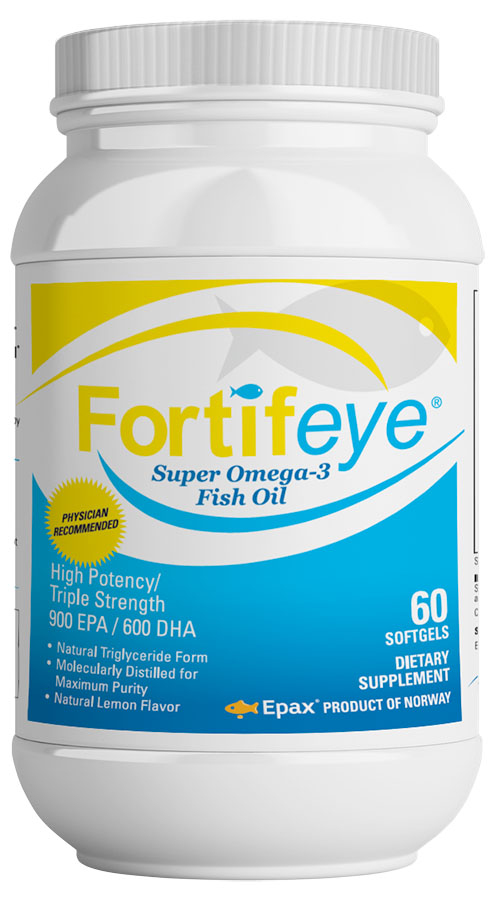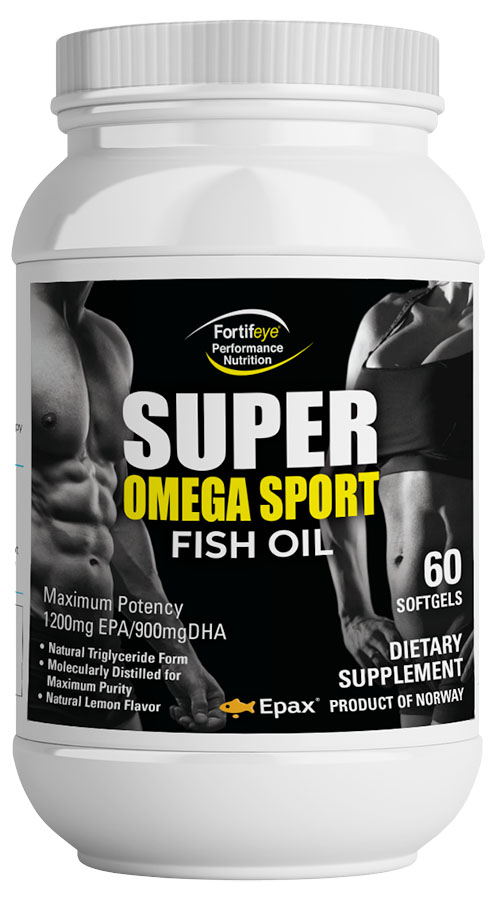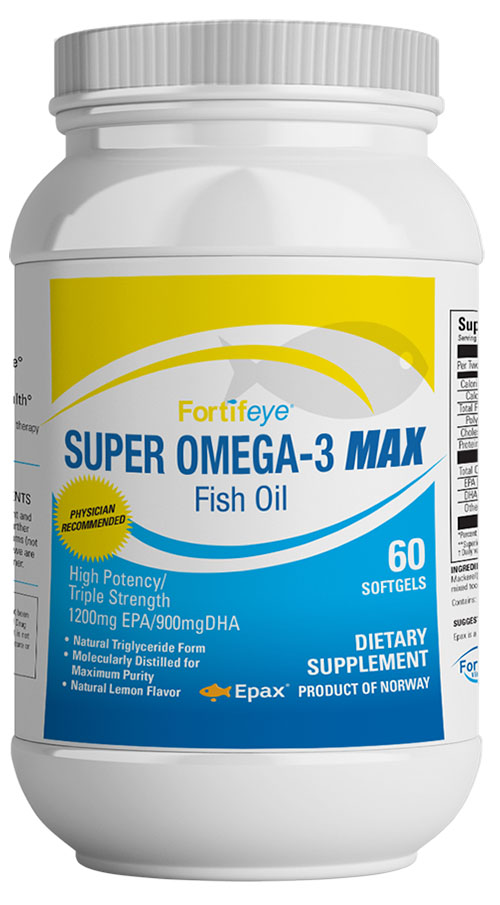








Omega Three Fish Oil: Introduction

Omega Three Fish OIl Supplements

Omega Three Fish OIl Supplements

Omega-3 fatty acids are an essential nutrient, as they are necessary for human growth. However, it is the benefits of omega 3 fatty acids that come after we are fully grown that have received more attention lately. The first major step occurred in 2006 when the United States FDA (Food and Drug Administration) gave what is called a “qualified health claim” to omega 3 fatty acids like those in fish and flax seed oils. This important designation meant that there was evidence that omega 3 fatty acids may significantly reduce a medical risk, in this case the risk of heart disease. It is very difficult and rare in the U.S. right now for supplements and over the counter (otc) nutrients to get these kind of strong backing, but perhaps this is just the beginning for omega three fatty acids

The following are the latest benefits of Omega 3 fatty acids that have been found:

 - People with varicose veins saw a reduction when using omega 3 fish oil.

- Omega-3 fatty acids from either fish oil or flax seed oil have been suggested to significantly reduce symptoms of ADHD in children (Attention Deficit Hyperactive Disorder).

- Some children with learning problems have had improved school performance with omega 3 fatty acid supplementation (fish oil for example)

- Omega 3 fatty acids have been found to decrease the memory losses of people who are older

- Omega 3 fatty acids have been found to have an anti-inflammatory property that can help with such medical issues as neck pain and rheumatoid arthritis

- Women who ate fish containing omega 3s during their first trimester of pregnancy had over 3 times less risk of low birth weight and premature birth of their babies.

- Some studies have shown that omega-3 supplementation including fish oil and flax seed oil reduced symptoms of depression.

 There are some people who should not take omega 3 fatty acid supplementation, in in some cases either fish oil or flax seed oil is preferred, so it is important that you check with your doctor or medical practitioner before taking omega 3s (For example, people with congestive heart failure and chronic recurrent angina may be told not to take omega 3s).

Beyond fish and flax oil supplements, the most widely available and popular source of omega 3s are cold water fish such as salmon, herring, mackerel, anchovies and sardines. Other fish such as tuna also contain omega-3 fatty acids, but in very small amounts. We provide a full listing of foods rich in omega 3s

It is clear that there are strong reasons and many possibilities that make supplementation with omega 3 fatty acids a good choice. As always, you should consult with your health care provider before taking a new nutritional supplement, so ask her or him about his or her opinion on omega 3 fatty acids today.

Omega three fish oil: Health benefits

Omega 3 Fatty Acids have been found or theorized to help with all of the following diseases or conditions. The best way is to get Omega 3s naturally (see food list on another page), but supplementing with fish oil of flax oil can help as well.

Alzheimer’s
Asthma
ADHD
Bipolar disorder
Some Cancers
Cardiovascular disease
Depression and Anxiety
Diabetes
Eczema
High blood pressure
Huntington’s
Lupus
Migraines
Multiple sclerosis
Obesity
Osteoarthritis
Osteoporosis
Rheumatoid arthritis

As with any medical regimin, always consult your medical practitioner before supplementing with omega 3s or any other nutrient.

Omega three fish oil vs. flax seed oil

One of the challenges involved with making Omega 3 fatty acids “work” is what is called “DHA conversion”. This refers to the rate that your body is able to take the omega 3 fatty acid source and convert it to the end product that does all of the beneficial things, called DHA

Fish and fish oil are taken for omega three fatty acid supplementation and they contain the ingredient EPA, which is the immediate precursor to DHA. If you have cold water oily fish such as salmon, anchovies and sardines you will get EPA. The drawback is that many oily fish have dangerous amounts of heavy metals and fat-soluble (i.e. they build up and can’t be flushed from our systems) pollutants like PCBs.

Flax seed oils are taken for omega three fatty acid supplements have a ton of the precursor ALA (alpha-linolenic acid), but this chemical has to first be processed in our bodies into EPA and only then can it be made into DHA. For some people, particularly men, this extra step robs the omega 3 fatty acid production process of a lot of efficiency.

So, it seems like the choice is between heavy metal poisoning and no benefit if you are to take omega 3 fatty acid supplements!? Actually, there is a third choice, which may be your best bet: Some fish oil supplement manufacturers are able to remove heavy metals and other contaminants from the oil through means such as molecular distillation, and these may provide the highest omega 3 benefit.